Now Reading: Why History Celebrates Stephen on December 26—The First Martyr In Much-Deserved Focus
-
01
Why History Celebrates Stephen on December 26—The First Martyr In Much-Deserved Focus

Why History Celebrates Stephen on December 26—The First Martyr In Much-Deserved Focus
No Greater Act
As highlighted by Christian Post in its timely Dec. 26 feature on Saint Stephen, many Christians around the world deliberately shift from celebrating Christ’s birth to remembering the first believer who was killed for proclaiming Him. History shows us that this placement is intentional. While Christmas announces who Jesus is, Stephen’s life shows what loyalty to Him can cost.
Why December 26?
As explained by the Christian Post, the decision to commemorate Stephen on December 26 emerged in the early centuries of the Church, particularly within the Western Christian tradition. Church leaders intentionally placed his remembrance immediately after Christmas to reinforce a theological reality: the incarnation of Christ and the rejection of Christ are inseparable themes. The same Jesus welcomed on December 25 was the Jesus Stephen preached—and died for—on December 26.
This observance was formalized as the Church calendar developed, with bishops and early church authorities establishing feast days to preserve doctrine and historical memory. Stephen’s placement directly after Christmas was meant to instruct believers plainly: the gospel does not merely comfort the world; it confronts it.
Who Was Stephen?
Stephen appears in Acts 6–7 as one of the first seven men appointed to serve the early Church. He was selected not for charisma or position, but because he was known to be full of faith and the Holy Spirit. His ministry began with practical service, yet quickly expanded into bold public proclamation of Christ while standing trial before the same Sanhedrin that condemned Jesus.
Stephen’s profound preaching during the trial walked his religious judges through Israel’s history and exposed a repeated pattern of rejecting God’s messengers. His message centered on Jesus as the fulfillment of God’s promises—language that infuriated the Pharisees in the Sanhedrin.
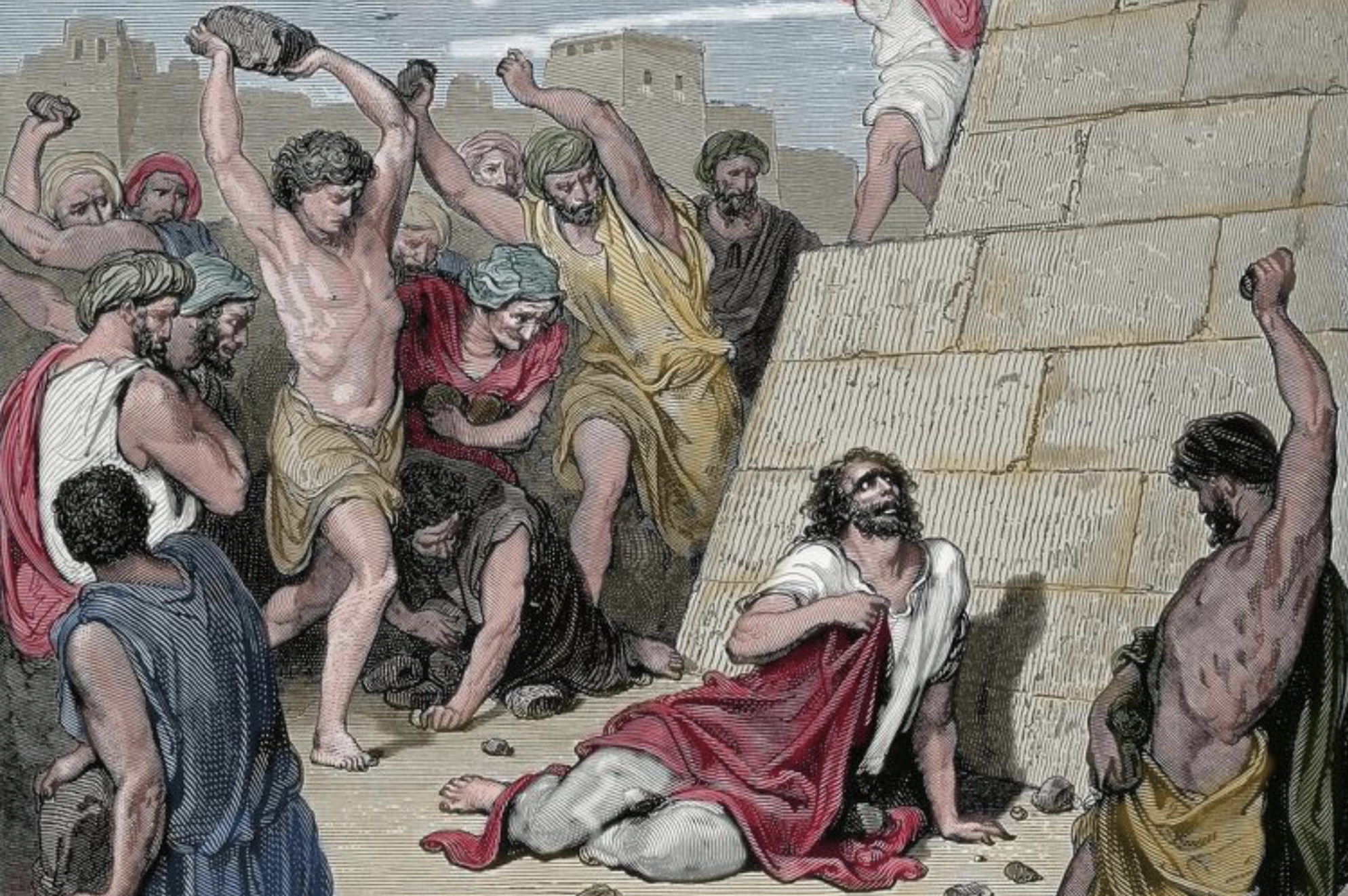
During his trial, witnesses testified that Stephen’s face appeared “like the face of an angel.” When he declared that he saw Jesus standing at the right hand of God, the council erupted with rage. He was quickly dragged outside the city and stoned, becoming the first recorded Christian martyr.
A Great Turning Point
One often-overlooked detail noted in the account is that a young Pharisee named Saul was present, approving of Stephen’s execution. That same Saul would later become the Apostle Paul who penned much of the New Testament, making Stephen’s death a turning point in the spread of the gospel. Stephen’s testimony and death underline a sobering truth: the incarnation of Christ did not eliminate hostility toward truth—it exposed it. According to the Word of God, Stephen’s final vision confirms where true authority rests:
“And he said, ‘Behold, I see the heavens opened, and the Son of Man standing at the right hand of God.’” (Acts 7:56)
Stephen’s witness still stands. Christ is risen. Christ is reigning. And faithfulness still matters.
Amazon Best-Selling Author Pastor Greg Locke just launched his new book. Titled, The King Killers By PASTOR GREG LOCKE. When God places this prophetic sword in your hand, you will know—you were born to be a spiritual king killer. Grab your Book copy now on Amazon.com
Related Posts


Stay Informed With the Latest & Most Important News
Previous Post
Next Post


Advertisement